Language:



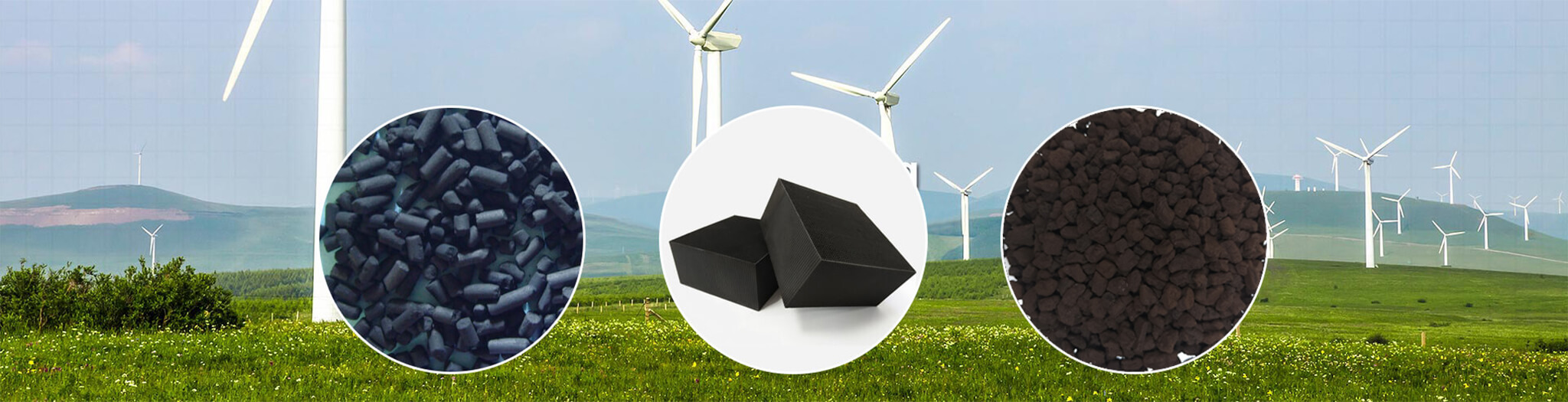
In the fields of industrial waste gas treatment and indoor air purification, ozone catalytic oxidation technology is recognized as the "ultimate weapon" for VOCs (volatile organic compounds) abatement due to its high efficiency, thoroughness, and lack of secondary pollution. However, the core of this technology—the ozone catalyst—often faces a tricky problem in practical applications: poisoning.
An ozone catalyst acts like a diligent "cleaner," using the strong oxidizing power of ozone to break down harmful gases such as toluene and benzene into harmless carbon dioxide and water. But this "cleaner" is quite "delicate." When it encounters certain specific gaseous substances, it gradually loses its decomposition ability, resembling poisoning. This phenomenon is referred to in catalytic chemistry as "catalyst deactivation."
So, which invisible and intangible gaseous substances are quietly "poisoning" our ozone catalysts?
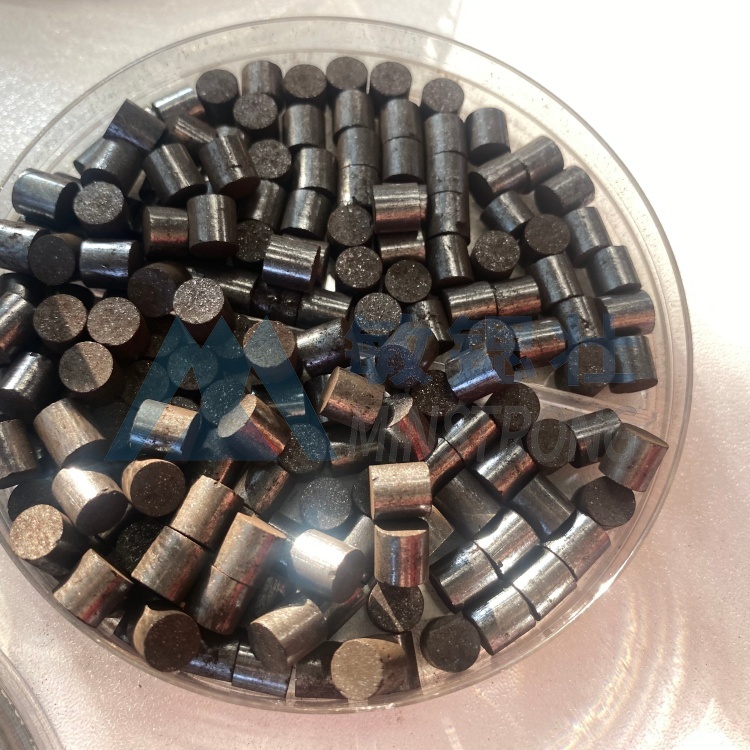
Sulfur compounds are the "number one killer" causing ozone catalyst poisoning.
In waste gases from industries such as petrochemicals, wastewater treatment, and waste incineration, components like hydrogen sulfide (H₂S) and sulfur dioxide (SO₂) are commonly found. When these gases flow over the catalyst surface, severe chemisorption occurs. Specifically, sulfur atoms react with the active components on the catalyst surface (e.g., transition metal oxides) to form stable metal sulfides or sulfates.
This process is equivalent to wrapping a dense "hard shell" tightly around the catalyst's active sites. Once the active sites are occupied by sulfur, ozone cannot contact them to trigger the chain reaction, causing a precipitous drop in catalyst conversion efficiency within a short period. This type of sulfur poisoning is typically irreversible, and even high-temperature regeneration can hardly restore full activity.
If sulfur acts as a "hard shell," then organosilicon is the "deadly glue."
In many spray painting, electronic cleaning, and precision machining workshops, waste gases often contain trace amounts of siloxanes or organosilicon monomers. During catalytic oxidation, these substances decompose to form amorphous silica (SiO₂), commonly known as "white carbon black."
This silica deposit has extremely strong adhesion and thermal stability. It coats the catalyst surface and micropore channels like cement. Physically, it blocks the channels for waste gas to enter the catalyst interior; chemically, it shields all active sites. Poisoning caused by organosilicon is almost incurable and often signals the end of the catalyst's lifespan.
This is an easily overlooked yet pervasive "chronic poison."
Although ozone catalysts are typically designed with some hydrophobic modification, under high-humidity conditions (relative humidity > 90%), water molecules undergo competitive adsorption with target pollutant molecules on the catalyst surface. Water molecules occupy the active sites, preventing ozone and VOCs from getting "close," thus causing a sharp decline in the reaction rate.
More severely, if waste gas pretreatment is inadequate and liquid water (small droplets) enters the catalyst bed, a water film can directly isolate gas-solid contact. However, this type of poisoning is usually reversible. By heat drying (typically at 110°C-240°C) and purging with hot dry air, the moisture can be driven off, restoring most of the catalytic activity.
Waste gases containing chlorine or fluorine are excellent "flame retardants," but they are also potent catalyst "inhibitors."
Chemically, chlorine and fluorine atoms possess very high electronegativity. When gases like chlorine (Cl₂), hydrogen chloride (HCl), or Freons are present, they adsorb strongly onto the catalyst surface, altering its electronic structure. This directly weakens the metal-oxygen bond strength and inhibits the generation of hydroxyl radicals (·OH).
More troublingly, under certain conditions, incomplete oxidation of chlorinated hydrocarbons (e.g., dichloromethane) may generate byproducts like phosgene or even more toxic polychlorinated biphenyls (PCBs) that deposit on the catalyst. This type of poisoning can sometimes be reversible (via high-temperature dechlorination), but if the catalyst's active components are chlorinated and volatilized, it constitutes permanent deactivation.
Although these fall under the category of aerosols, they are very common in industrial waste gases.
In industries such as rubber, baking paint, or printing, waste gas cooling can form submicron tar droplets or aerosols. These substances have extremely high viscosity. Upon contact with the catalyst, they adhere like asphalt to the catalyst surface, causing pore blockage. This differs from chemical poisoning, being more of a physical shielding, but the consequence is equally severe—the catalyst completely loses its treatment capacity.
Understanding these "poisons," we are not without solutions. Ozone catalysts are expensive, and "prevention is better than cure" is the golden rule in engineering applications.
The "poisoning" of ozone catalysts is not mysterious but an inevitable consequence of chemical reaction mechanisms. Sulfur, organosilicon, water vapor, and halogen compounds are the four major culprits of catalyst deactivation. In engineering applications, through precise waste gas analysis,科学的 pretreatment processes, and regular maintenance regeneration, it is entirely possible to extend catalyst lifespan, allowing this green environmental technology to deliver maximum economic and environmental benefits.
author:Gloria
date:2026-05-27
Contact: Candyly
Phone: 18142685208
Tel: 0731-84115166
Email: minstrong@minstrongchina.com
Add: E2 Building, Kinglory Science And Technology Industrial Park, Wangcheng Area, Changsha, Hunan, China.