When Should a Catalyst Be Used in Conjunction with a Desiccant?
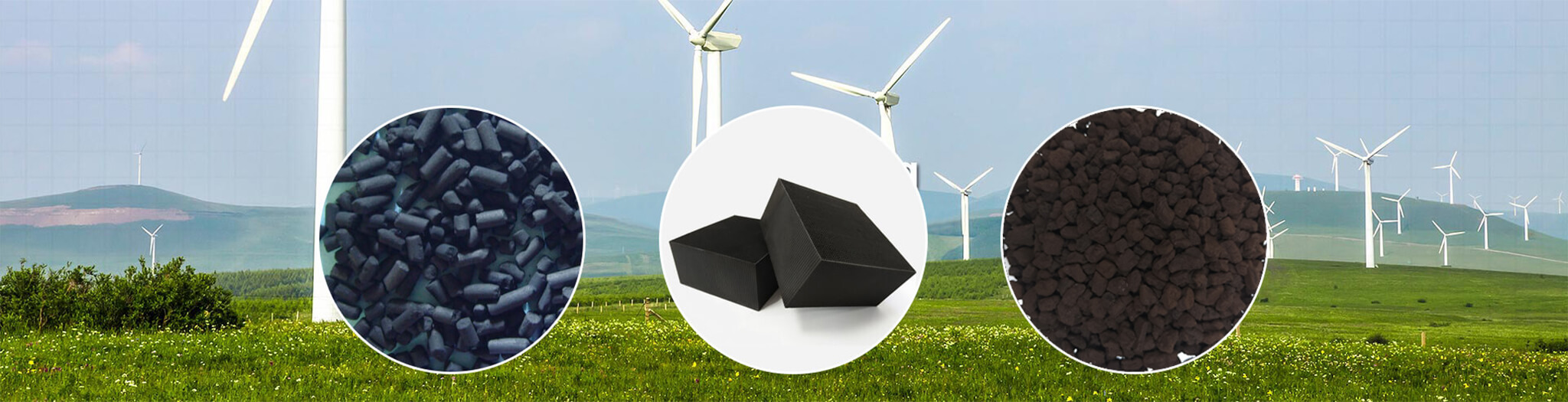
A company specializing in the research and production of a series of environmentally friendly catalytic materials, including
ozone decomposition catalysts, carbon monoxide catalysts, hogallat agents, manganese dioxide, copper oxide, VOC catalysts, and hydrogen peroxide catalysts, is compiling information to provide highly adaptable catalytic material solutions for various environmental governance scenarios. We hope this information will be helpful.
Our main clientele includes:
industrial waste gas treatment companies, ozone purification equipment manufacturers, environmental protection companies in the motor vehicle, shipbuilding, exhaust gas treatment, petrochemical, and chemical industries, coating, printing, VOCs treatment, municipal and industrial wastewater treatment companies, flue gas treatment companies in the metallurgical and thermal power industries, laboratory and enclosed space air purification equipment manufacturers, and environmental engineering general contracting and operation and maintenance companies.
I. Core Scenarios Requiring the Use of Desiccants with Catalysts
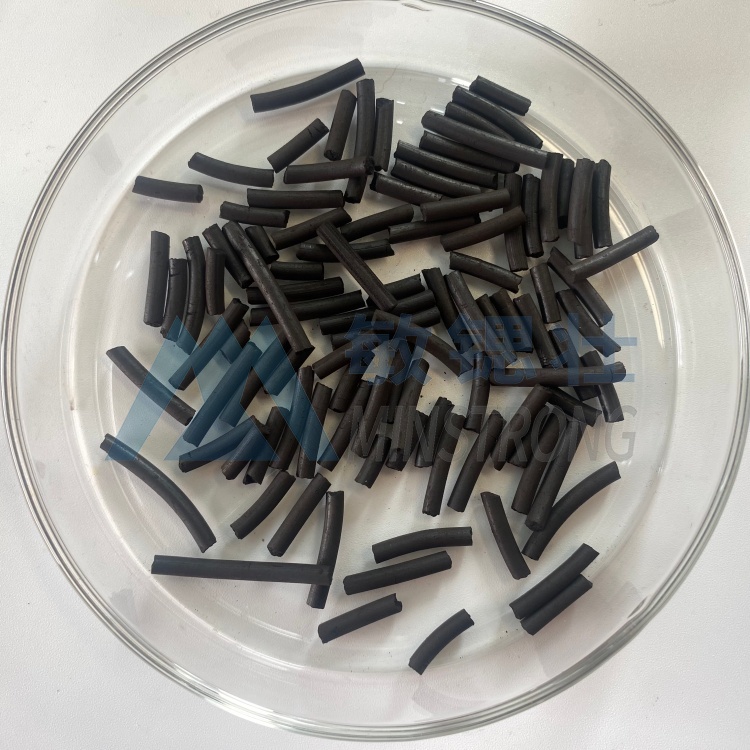
1. Scenarios where catalysts are easily hydrolyzed and susceptible to moisture: such as Hogarth catalysts, palladium-based catalysts, and molecular sieve-supported catalysts. These catalysts will experience blockage of active sites and component agglomeration when exposed to water, requiring the use of desiccants throughout the process.
2. Scenarios where the reaction system strictly prohibits moisture: organic synthesis (Grignard reaction, Friedel-Crafts reaction), lithium battery electrolyte production, methanol synthesis, etc., where even trace amounts of moisture can lead to reaction failure or product spoilage.
3. Gas catalytic purification scenarios: VOC catalytic combustion, ozone decomposition, carbon monoxide elimination, etc., where water vapor in the gas will reduce catalytic efficiency and corrode equipment.
4. Low-temperature and high-humidity environments: In mine refuge chambers, cold storage facilities, and outdoor environmental protection equipment, high humidity accelerates catalyst deactivation due to moisture absorption.
II. Serious consequences of not using desiccants
Moisture can cause irreversible catalyst deactivation. For example, a refinery suffered a 40% decrease in specific surface area and direct losses exceeding 8 million yuan due to failure to dry the hydrocracking catalyst during activation. It also reduces reaction conversion rates; in methanol synthesis, failure to remove water can reduce catalytic efficiency by more than 30%, increasing production costs. Furthermore, it can pose safety hazards; excessive moisture in lithium battery electrolytes can lead to battery swelling and capacity decay.
III. Desiccant selection, usage precautions, and replacement cycle
Selection must match the operating conditions: Molecular sieves and activated alumina are preferred for gas catalysis; modified silica gel is preferred for liquid systems; 5A molecular sieves (dew point below -70℃) are used for deep drying.
Precautions: Avoid desiccant contamination of the catalyst; control the operating temperature (optimal 20-80℃); prevent liquid phase impact from causing desiccant pulverization.
Replacement Cycle: 3-6 months under normal operating conditions, 1-2 months in high humidity environments. Regenerable desiccants (such as alumina) have a regeneration life of 3-5 years. Timely treatment is required when the outlet dew point is above -40℃.
IV. Practical Application Cases
In mine refuge chambers,
hogallat catalysts require desiccants at the inlet to filter out high-humidity moisture; otherwise, catalyst poisoning will occur, and carbon monoxide cannot be effectively eliminated. In lithium battery electrolyte production, modified aluminosilicate desiccants can reduce moisture content to below 15 ppm, effectively extending battery cycle life and increasing product qualification rate to 99.8%.
In summary, desiccants are necessary whenever moisture affects catalyst activity, interferes with the reaction, or damages equipment. Scientific selection, standardized use, and timely replacement can significantly extend catalyst life and reduce production risks.
Author: Hazel
Date: 2026-02-27