Language:



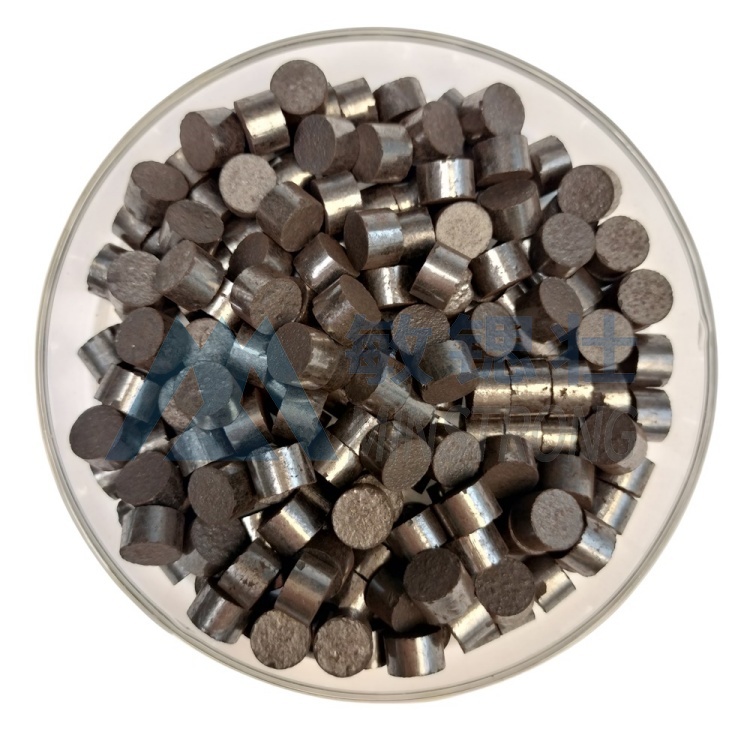
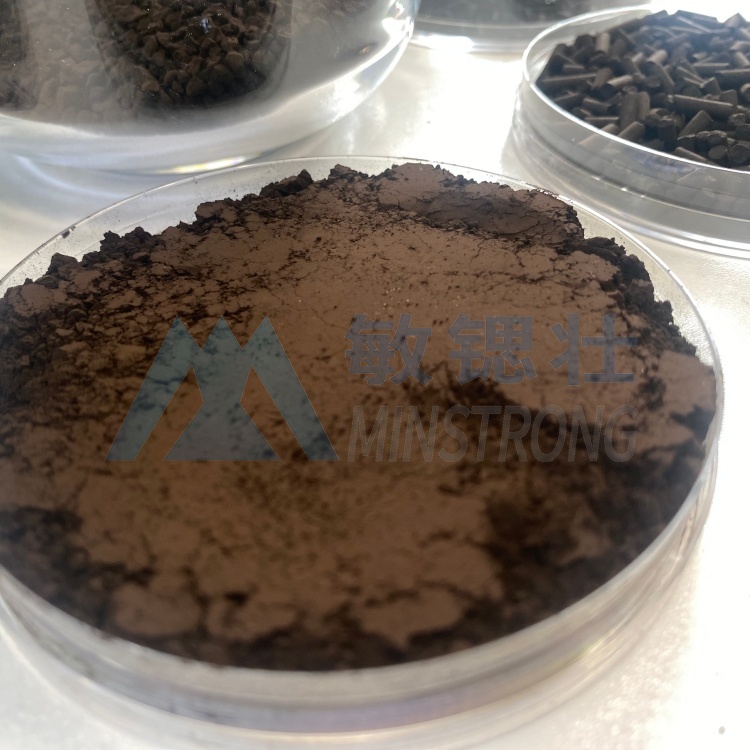
In the field of chemical experiments, manganese dioxide holds an important position due to its unique chemical properties. Experiments involving it cover various categories, including catalysis and redox reactions. These experiments are not only fundamental to chemical research but also widely applied in industrial production and daily life. Below, we analyze this from the perspectives of core experiments, principles, applications, and data.
Take 5mL of 6% hydrogen peroxide solution in a test tube, add 0.1g of manganese dioxide powder, and immediately observe the production of a large number of bubbles. A glowing splint test will show that the gas reignites. The principle is that manganese dioxide lowers the activation energy of the reaction, causing hydrogen peroxide to rapidly decompose into water and oxygen. This experiment has extensive industrial applications. In medical oxygen production, the hydrogen peroxide decomposition process using manganese dioxide as a catalyst can produce approximately 140 m³ of oxygen from one ton of 6% hydrogen peroxide. The reaction is mild and easy to control, avoiding the energy consumption problems of high-temperature oxygen production. Home oxygen concentrators also often use this principle; a small device with 50g of manganese dioxide can continuously catalyze 1L of hydrogen peroxide, meeting the needs of emergency oxygen supply at home.
When 3g of manganese dioxide is mixed with 2g of aluminum powder and ignited with a magnesium strip, a violent reaction is observed, producing molten iron. The principle is that manganese dioxide acts as an oxidizing agent, reacting with aluminum in a displacement reaction to produce manganese and aluminum oxide, releasing a large amount of heat (reaction enthalpy change -1448 kJ/mol). This experimental principle is directly applied to steel rail welding. In this engineering process, 800g of manganese dioxide and 500g of aluminum powder are consumed for every meter of steel rail welded. The reaction temperature reaches 2500℃, quickly melting and joining the steel rails, with a welding strength exceeding 95% of the strength of the steel rail itself.
Contact: Candyly
Phone: 18142685208
Tel: 0731-84115166
Email: minstrong@minstrongchina.com
Add: E2 Building, Kinglory Science And Technology Industrial Park, Wangcheng Area, Changsha, Hunan, China.