Language:



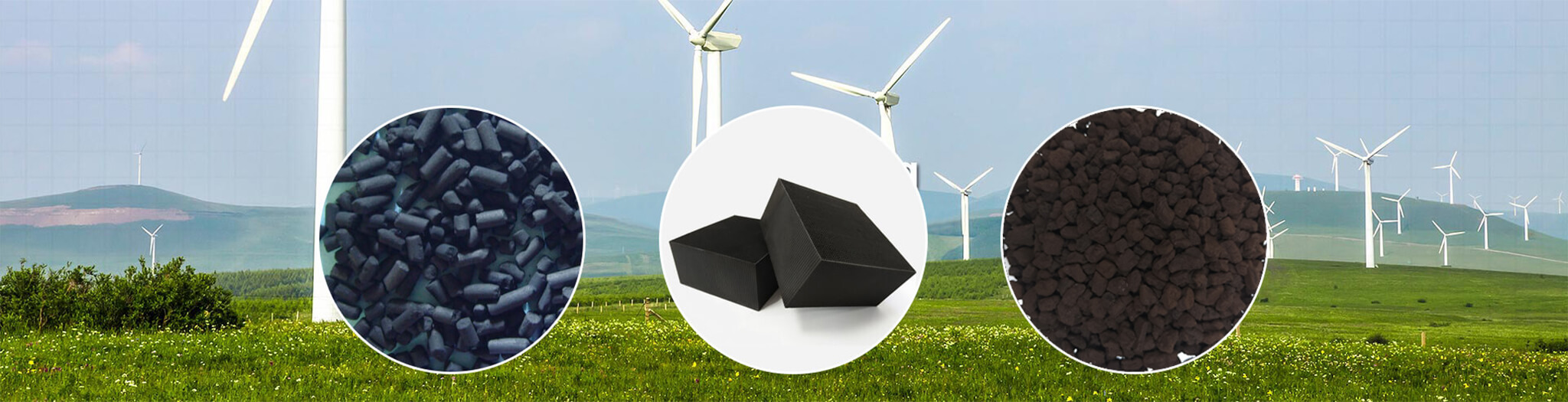
Our main clientele includes: industrial waste gas treatment companies, ozone purification equipment manufacturers, environmental protection companies in the motor vehicle, shipbuilding, petrochemical, and chemical industries, coating, printing, VOCs treatment, municipal and industrial wastewater treatment companies, flue gas treatment companies in the metallurgical and thermal power industries, laboratory and enclosed space air purification equipment manufacturers, and environmental engineering general contracting and operation and maintenance companies.
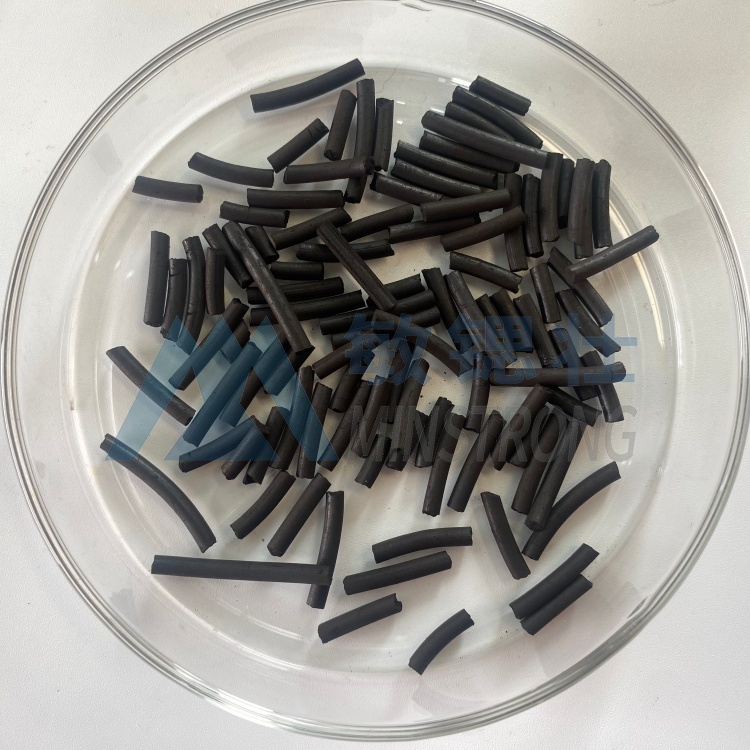
ozone decomposition efficiency is paramount. Industrial wastewater has a complex composition and fluctuates greatly in ozone dosage. High-quality ozone (O3) decomposition catalysts must achieve efficient ozone decomposition in actual operating conditions to avoid residual ozone exceeding standards and affecting wastewater discharge compliance. In practice, suppliers should be required to provide actual decomposition data for industrial wastewater applications, not just laboratory data. Furthermore, verified testing reports should be checked to ensure data authenticity and traceability.
Water treatment scenarios are humid, and wastewater contains various impurities. If the catalyst has poor water resistance, it is easily deactivated upon contact with water; if its antifouling properties are insufficient, active sites will be covered by impurities, leading to rapid performance degradation. Practical recommendations prioritize industrial wastewater-specific ozone catalysts, paying attention to the catalyst's surface process design to ensure stable operation under humid and impurity-rich conditions.
Catalysts in water treatment equipment must withstand water flow impacts and loading operations. Insufficient strength can easily lead to breakage and pulverization, resulting in pipe blockage and increased equipment maintenance costs. In practice, honeycomb-shaped ozone decomposition catalysts are preferred, as this structure offers stronger resistance to pressure and wear. It's also crucial to verify the catalyst's compressive strength test data to mitigate the risk of breakage from the outset.
Don't solely focus on initial purchase costs. While some low-priced catalysts may have a low unit price, they are prone to deactivation and have short replacement cycles, ultimately driving up overall water treatment costs. In practice, it's necessary to calculate the ozone catalytic cost per unit volume of wastewater based on the specific wastewater treatment volume, prioritizing catalysts with suitable operating conditions and long lifespans for wastewater ozone oxidation treatment to achieve cost reduction and efficiency improvement.
Contact: Candyly
Phone: 18142685208
Tel: 0731-84115166
Email: minstrong@minstrongchina.com
Add: E2 Building, Kinglory Science And Technology Industrial Park, Wangcheng Area, Changsha, Hunan, China.
 minstrong