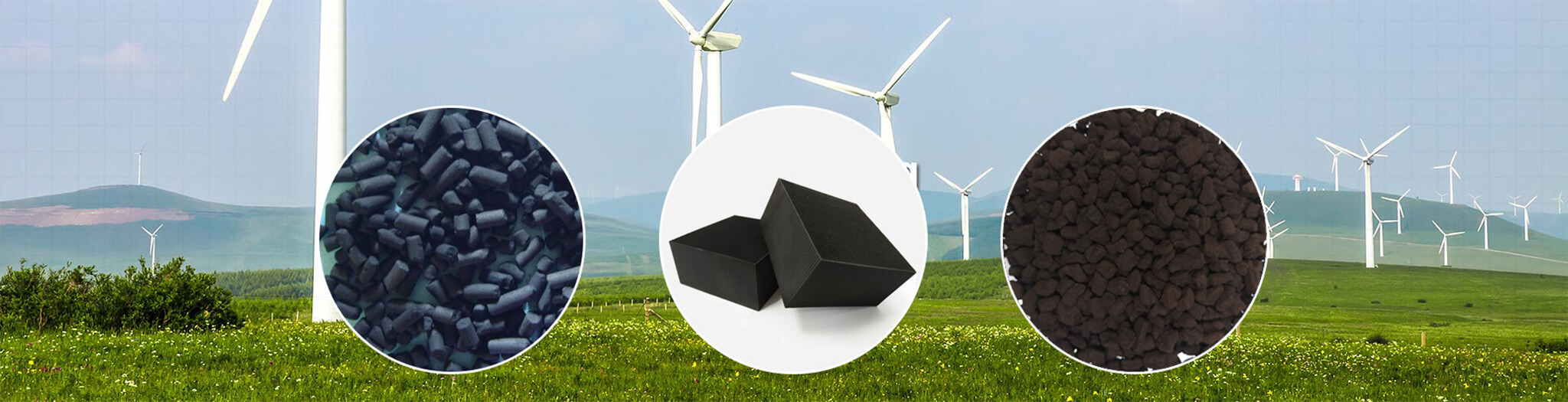
How is Manganese Dioxide Made?
Manganese dioxide, as a key raw material in the chemical, battery, and environmental protection industries, requires flexible production methods based on purity requirements and application scenarios. The core principle is to oxidize low-valent manganese compounds to tetravalent manganese.
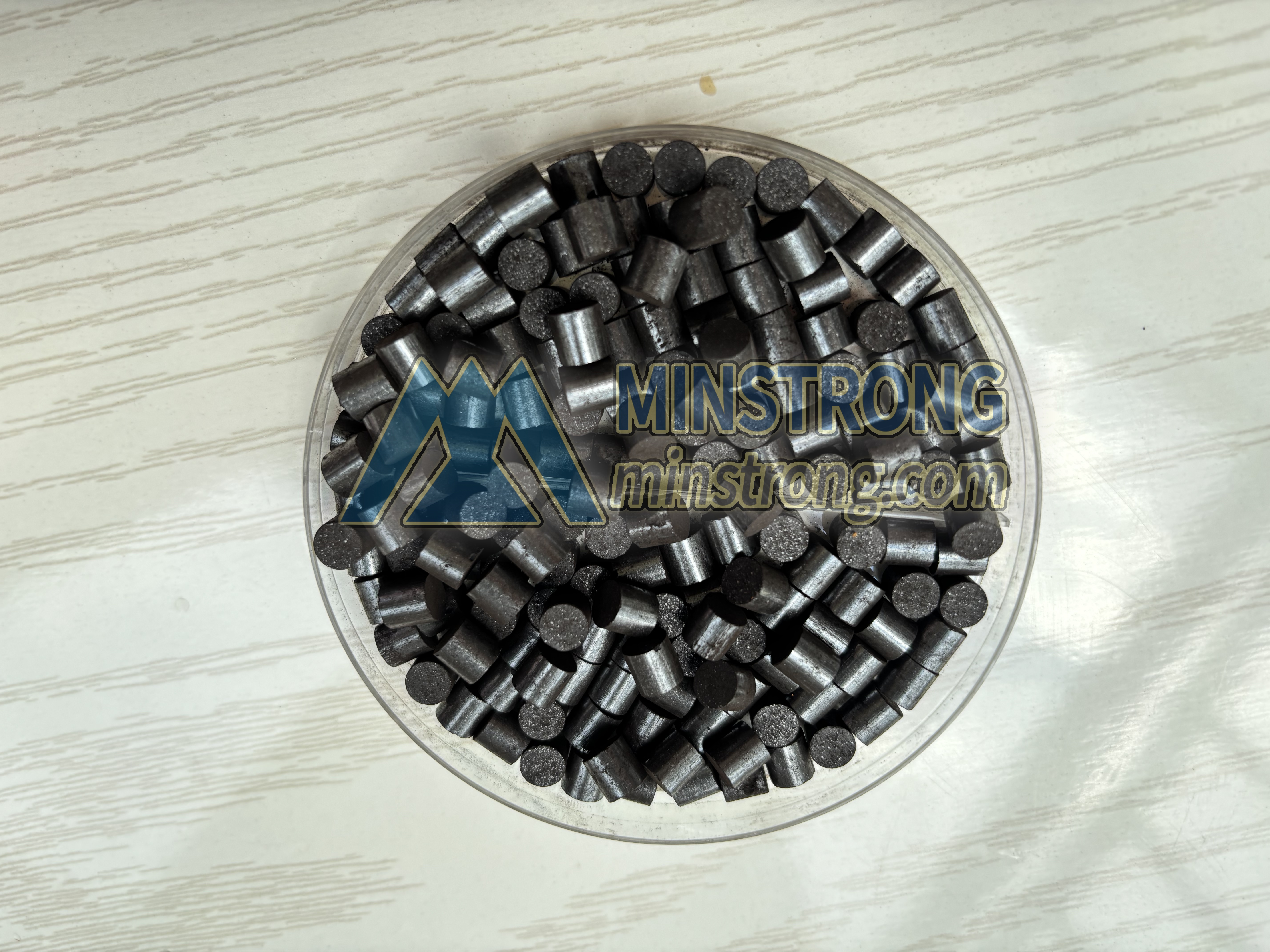
1. Natural Manganese Ore Purification Method: The Low-Cost, Industrial-Grade Method of Choice
Using pyrolusite as the primary raw material, this method is suitable for producing standard industrial-grade manganese dioxide with a purity of 85%-95%, primarily used in ceramic colorants and metallurgical slag-forming agents.
The process consists of three steps: crushing and grinding the ore, followed by gravity separation and flotation to remove siliceous impurities, followed by leaching with dilute acid to dissolve metallic impurities such as iron and aluminum, and finally drying and calcining (300-500°C) for activation.
Advantages: Available raw materials, low cost, and a mature process suitable for large-scale industrial production.
Disadvantages: Limited purity, unable to meet the demands of high-end applications such as batteries and electronics.
2. Electrolysis: A dedicated process for high-purity, battery-grade manganese dioxide.
For battery-grade manganese dioxide with a purity of ≥99.5%, refined manganese sulfate solution is used as the raw material. Electrolytic deposition is performed in an electrolytic cell: Mn⁺ oxidation occurs at the anode to form a MnO₂ film, while hydrogen is released at the cathode. The product is then washed, dried, and pulverized to produce "electrolytic manganese dioxide." Advantages: Extremely high purity, uniform product, and excellent electrochemical performance.
Disadvantages: High energy consumption and cost, suitable only for high-end applications.
3. Oxidation Method: Suitable for small-scale laboratory and high-purity production.
This method uses a strong oxidant to oxidize divalent manganese salts to produce a MnO₂ precipitate. This method is suitable for laboratory preparation or small-scale production requiring high purity, with purity reaching 95%-98%. For example, under acidic conditions, potassium permanganate reacts with manganese sulfate, which is then filtered and washed to obtain the product.
Advantages: Fast reaction, high product purity, and simple operation.
Disadvantages: High oxidant cost, unsuitable for large-scale production.
In summary, when choosing a manganese dioxide production method, natural ore purification is preferred for general industrial applications, electrolysis is preferred for high-end battery applications, and oxidation is used for laboratory or small-scale production requiring high purity. Purity, cost, and production capacity must be considered comprehensively.
author: Hazel
date: 2025-09-17